
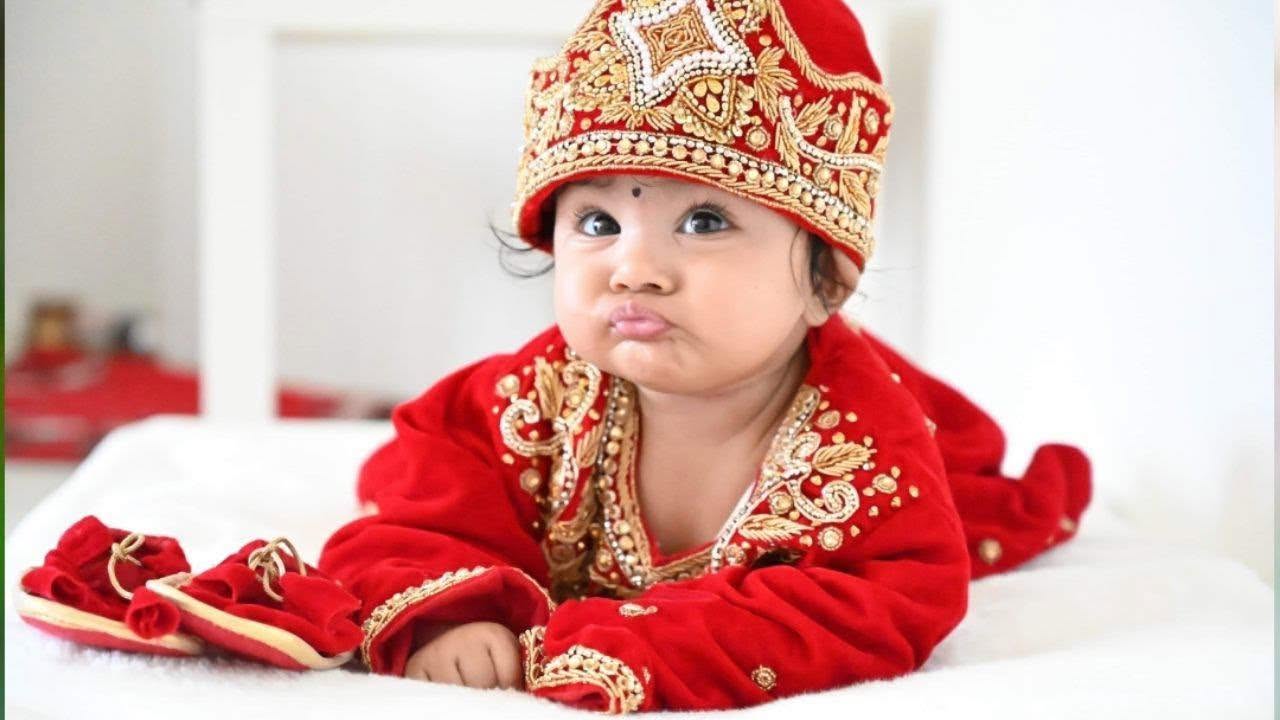

The Pasni ceremony marks the first time a baby eats solid food. In most Nepali households, that first food is rice. The ceremony matters because rice is not just a meal in Nepal: it is the staple food, and feeding a child rice for the first time is a formal introduction to the culture they will grow up in.
What began as a Hindu ritual has become a celebration that stretches across communities, generations, and, for many families abroad, continents.
If you are planning your child’s Pasni and wondering what to expect, what to prepare, and what role different family members play, this guide covers the ceremony from its cultural foundation through the practical details of organizing one today.
What is Pasni and why it matters
The ceremony brings the family together. Grandparents, aunts, uncles, close friends, and neighbors gather to bless the child. Gifts are offered. Prayers are said. The ritual connects the child to something larger than the household: a lineage, a tradition, a community.
When is Pasni held? Timing and auspicious dates
For girls, the ceremony traditionally takes place at five months. For boys, at six months. The ceremony is also known as Annaprashan in Sanskrit and is one of the sixteen Hindu samskaras. The timing reflects older beliefs about digestive readiness and auspicious milestones, and it aligns broadly with current pediatric guidance on introducing solid foods.
Before setting a date, most families consult a priest or astrologer using the Nepali calendar to identify an auspicious day and time. This is standard practice across Hindu and Buddhist communities in Nepal. The consultation typically happens a few weeks before the planned ceremony, leaving time to send invitations and arrange the details.
What happens during a Pasni ceremony
The puja
The ceremony begins with a puja, a worship ritual conducted by the priest. This involves chanting of mantras from ancient scriptures, offerings of flowers and incense, and prayers for the child’s long life, health, and good fortune. The baby’s ceremonial outfit, usually prepared or gifted in advance, is blessed as part of the ritual.
The first rice feeding
The baby’s paternal aunt traditionally holds the child during the first feeding. The family, beginning with the eldest members and extending outward, each give the baby a taste of the ceremonial rice. In most families this first rice is kheer, a sweet rice pudding cooked with milk and sugar, soft enough for a five or six month old.
One Nepali mother who organized her daughter’s Pasni while living abroad told us she had not anticipated how moved she would be by the sight of four generations gathered for a single spoonful of rice.
After the ceremony
Following the rice feeding, relatives present gifts: gold and silver jewelry for the baby, including the traditional kalli (silver anklets carved with dragon heads at each end), money envelopes, and clothing. Grandparents typically give the most significant gifts. The rest of the day involves food, family, and blessings that can extend well into the evening. One family told us their ceremony lasted nearly until midnight as relatives arrived in waves throughout the day.
How different communities celebrate Pasni
Hindu Brahmin and Kshatriya
In Brahmin and Kshatriya families, the ceremony follows classical Hindu ritual structure: priest-led puja, chanting, and a formal feeding. The first food is typically kheer. After the home ceremony, the maternal uncle carries the baby to the nearest temple for a blessing, and the child receives prasad at the temple gate.
Newari Pasni and Chaurasi Byanjan
Newari Pasni is the most elaborate in its food tradition. The ceremony involves Chaurasi Byanjan, a feast of 84 dishes, placed around the main rice offering. The variety covers sweet, savory, and fermented preparations: a full expression of Newari culinary tradition at the moment of a child’s introduction to food. Many families adapt this tradition to a smaller selection of dishes, particularly those celebrating outside the Kathmandu Valley or abroad.
Gurung and Magar traditions
Gurung and Magar communities in the hilly regions prepare kheer as the ceremonial first food, with the wider extended family gathering for a celebration that reflects their own forms of blessing and hospitality.
Planning your Pasni: a checklist
Four to six weeks before: consult a priest to select an auspicious date; set the guest list and send invitations; arrange the venue; plan the ceremonial menu.
Two weeks before: prepare or order the baby’s ceremonial outfit; confirm the priest’s attendance; arrange for photography if you want the day documented.
One week before: prepare or order the food; gather the ceremonial items including kheer, offerings for the puja, and any gifts for guests.
The day before: prepare the puja space with flowers, incense, and ceremonial items; prepare the baby’s outfit and ornaments.
Pasni gifts: what to give (and what to avoid)
Traditional Pasni gifts center on the baby’s wellbeing: gold or silver jewelry, money envelopes, and clothing. The kalli (silver anklets) are the most traditional and meaningful gift from grandparents.
For friends and extended family, practical options include quality baby clothing suited to the current season, organic skincare products for infants, gift sets of essential baby items such as swaddles, bibs, and washcloths, and feeding accessories for the stage following Pasni when solid foods become part of the daily routine.
One thing to keep in mind: a Pasni gift that lasts beyond the day itself, whether a piece of jewelry the child will grow into or a product that supports the months of new feeding ahead, tends to be the most appreciated.
Avoid anything size-specific for the five to six month stage. Babies outgrow clothing quickly at this age.
What to dress your baby in for Pasni
The traditional outfit for a baby girl is a saffron or red silk garment, often velvet, embroidered with silver and golden thread. Boys wear formal traditional dress, typically in red velvet. The outfit is usually gifted by the maternal grandparents or prepared by the mother’s family.
Silver ornaments are placed on the baby for the ceremony: kalli (anklets), bangles, and sometimes a necklace. These pieces carry both protective symbolism and aesthetic meaning. The practical note for parents is that the baby will need to be comfortable enough to be held, fed, and passed between many arms across what is often a long day.
FAQ
Can Pasni be celebrated outside Nepal?
Yes. Many Nepali families living abroad hold Pasni ceremonies, adapting the tradition to local circumstances. The ceremony can be conducted with a local Nepali priest or led by a family elder. Chaurasi Byanjan is the element most commonly simplified, replaced with kheer and a selection of available Nepali dishes. The ritual core, the first rice feeding, the family gathering, the blessing, does not require a specific location.
Is a priest required for Pasni?
A priest is traditional for the puja component, which involves chanting specific mantras. Many families outside Nepal conduct the ceremony with a family elder in a guiding role. The ritual core of the ceremony does not depend on formal priestly attendance, though most families in Nepal prefer to have one.
What is Chaurasi Byanjan?
Chaurasi Byanjan translates to 84 dishes. It is the ceremonial feast traditional to Newari Pasni. The 84 dishes range from rice-based preparations to pickles, fermented foods, and sweets: a tradition that reflects the Newari community’s culinary depth and their belief that a child’s first meal should represent the full abundance of what the earth provides.
